
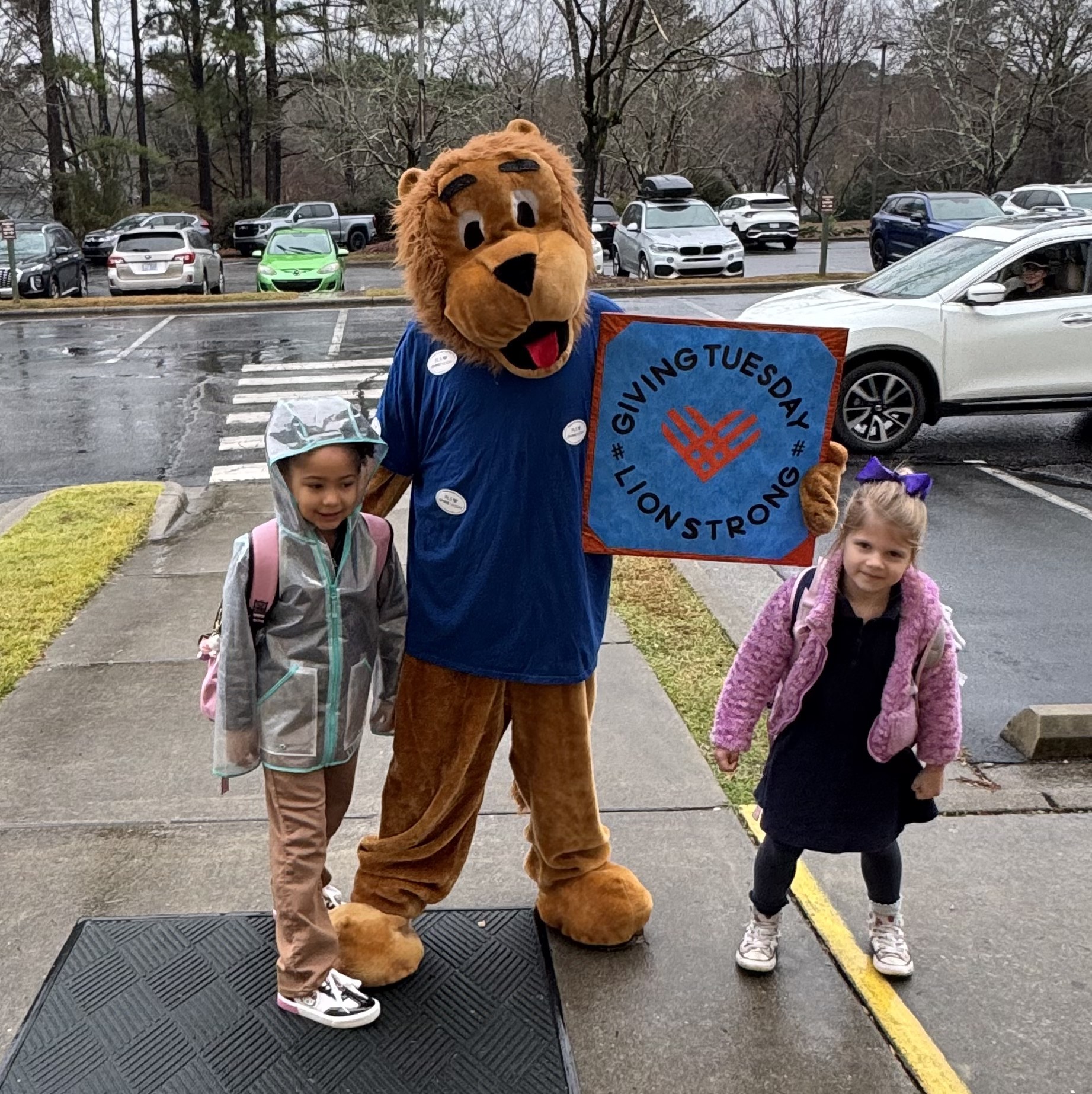
 At Resurrection Lutheran School, we believe that true education extends far beyond classroom walls to encompass service to others, stewardship of resources, and active participation in building stronger communities. Our approach to christian service learning demonstrates that academic excellence and character development work hand in hand to produce graduates who are not only prepared for high school success but also equipped with the values and skills necessary to make positive contributions throughout their lives.
Located in Lochmere and serving families throughout the region, our school has maintained a strong commitment to community engagement since 1978. Students, families, and faculty work together on numerous service initiatives that address local, national, and global needs while providing meaningful learning experiences that reinforce classroom concepts and develop essential life skills.
The Foundation of Character Education
Character education wake county programs recognize that developing ethical reasoning, empathy, and civic responsibility requires intentional instruction and practical application. At Resurrection Lutheran School, character development is woven throughout every aspect of our educational program, from daily interactions to major service initiatives.
Comprehensive Community Service Programming
Our community service private school approach encompasses a wide variety of initiatives that serve different populations and address diverse needs throughout our region and beyond. Read our School Life page for more.
Local Community Partnerships
Students engage in meaningful service within their immediate community through established partnerships with local organizations:
Western Wake Crisis Ministry: Students participate in food drives, volunteer activities, and awareness campaigns that address poverty and homelessness in our immediate area.
Dorcas Ministries: Our school community supports this local organization through donations, volunteer work, and educational initiatives that serve families in need.
Families Together: Students contribute to programs that support families facing various challenges while learning about community resources and social support systems.
Wake County Holiday Cheer: Our fourth-grade class adopts two families each year, providing gifts and support during the holiday season while learning about generosity and community care.
Regional and National Initiatives
Our service learning extends beyond local boundaries to address broader needs:
- Habitat for Humanity - Lutheran Coalition: Students and families participate in building projects and fundraising activities that provide affordable housing solutions
- Food Bank of Central and Eastern North Carolina: Regular food drives and volunteer opportunities help students understand food insecurity issues
- Operation Inasmuch: Community-wide service projects that address multiple needs simultaneously
- Lutheran World Relief: Global service initiatives that connect students to international humanitarian needs
- Mid-Atlantic Lutherans in Mission: Regional service projects that build connections across communities
Specialized Service Programs
Several unique initiatives demonstrate our commitment to serving diverse community needs:
Safe Families for Children: Our school community supports this organization that provides temporary care for children in crisis situations, teaching students about family support and child welfare.
Meals on Wheels: Students learn about senior citizens' needs while supporting meal delivery programs that serve elderly community members.
Sleep in Heavenly Peace: Participation in bed-building projects that provide furniture for children in need, combining hands-on work with practical service.
School-Specific Service Initiatives
Beyond community partnerships, Resurrection Lutheran School has developed several distinctive programs that reflect our unique mission and values.
Food and Fellowship for the Blind
This specialized program serves visually impaired community members through regular meal provision and social interaction. Students learn about accessibility needs while developing empathy and practical service skills.
Student involvement includes:
- Meal preparation assistance under adult supervision and guidance
- Social interaction and conversation with program participants
- Learning about visual impairment and accessibility challenges
- Developing communication skills with diverse community members
The Coffeehouse for Adults with Special Needs
Our school hosts regular social events for adults with developmental disabilities, providing opportunities for community engagement and friendship building.
Program components feature:
- Social interaction opportunities that build relationships across ability levels
- Entertainment and activities planned and executed by students
- Hospitality skills development through event planning and hosting
- Awareness building about disability rights and inclusion
- Leadership opportunities for older students in program coordination
Environmental Stewardship Projects
Students engage in various initiatives that demonstrate care for creation and environmental responsibility:
Run 4 Ur Oceans: Recycling and awareness projects that address ocean pollution while teaching students about environmental science and conservation.
On-site recycling efforts: Comprehensive recycling programs that reduce waste while teaching students about resource management and environmental impact.
Animal rescue support: Collections and awareness campaigns for organizations like Peak Lab Rescue and SPCA, teaching students about animal welfare and compassion.
Educational Benefits of Service Learning
Research consistently demonstrates that well-designed service learning programs provide significant academic and personal development benefits for students of all ages.
Academic Skill Development
Community service experiences reinforce and extend classroom learning in meaningful ways:
- Critical thinking skills developed through problem-solving and needs assessment
- Communication abilities enhanced through interaction with diverse community members
- Research and analysis skills applied to real-world challenges and solutions
- Writing and presentation skills developed through reflection and reporting activities
- Mathematical applications through budget planning, data collection, and resource allocation
Character and Social Development
Service experiences provide unique opportunities for personal growth and character building:
- Empathy development through direct interaction with people facing various challenges
- Leadership skills gained through project planning and peer coordination
- Teamwork abilities developed through collaborative service initiatives
- Cultural awareness expanded through service to diverse populations
- Civic responsibility understood through active community participation
- Confidence building achieved through meaningful contribution to community well-being
College and Career Preparation
Participation in comprehensive service programs provides valuable preparation for future academic and professional success:
College Applications: Admissions officers increasingly value demonstrated commitment to community service and character development alongside academic achievement.
Scholarship Opportunities: Many scholarship programs specifically recognize students who have made significant contributions to their communities through sustained service involvement.
Leadership Experience: Service learning provides authentic leadership opportunities that prepare students for future roles in academic, professional, and community settings.
Network Building: Community service creates connections with adults and organizations that can provide mentorship and career guidance throughout students' development.
Family Engagement and Support
Our approach to community service recognizes that families play essential roles in developing students' commitment to service and character development.
Parent Involvement Opportunities
Families can participate in school service initiatives through various volunteer roles:
- Project coordination and supervision during service events and activities
- Transportation assistance for off-site volunteer activities
- Skill sharing through presentations and hands-on instruction related to service projects
- Financial support through donations and fundraising activities
- Advocacy and awareness building within broader community networks
Home Extension Activities
We encourage families to extend service learning beyond school through:
- Regular family volunteer activities that reinforce school-based service learning
- Discussion and reflection about service experiences and their impact on others
- Financial stewardship education that includes charitable giving and resource sharing
- Community awareness building through neighborhood involvement and local event participation
- Modeling service attitudes through daily interactions and family decision-making
Measuring Impact and Growth
Our community service programming includes systematic assessment and reflection components that help students understand their growth and impact.
Student Reflection and Assessment
Regular reflection activities help students process their service experiences and identify areas for continued growth:
- Written reflection assignments that connect service experiences to academic learning and personal development
- Group discussion sessions that allow students to share insights and learn from peers' experiences
- Portfolio development that documents service participation and growth over time
- Goal setting activities that help students identify future service interests and commitments
- Peer feedback sessions that build communication skills while providing mutual support
Community Impact Documentation
We work to measure and communicate the positive impact of our service initiatives:
Quantitative Measures: Documentation of hours served, funds raised, items collected, and people served through various initiatives.
Qualitative Assessment: Feedback from community partners about program effectiveness and student contribution quality.
Long-term Tracking: Following up with graduates to understand how school service experiences influenced their continued community engagement.
Distinctive Approach to Service Learning
What sets our program apart is the integration of service learning with comprehensive character education and academic excellence, creating graduates who are both intellectually prepared and ethically grounded.
Faith Integration
Our christian service learning approach helps students understand service as an expression of gratitude and stewardship rather than mere obligation:
- Biblical foundations for service and compassion that provide motivation and context
- Prayer and reflection components that deepen students' understanding of their service impact
- Connection to larger purposes that extend beyond individual achievement to community well-being
- Ethical reasoning development that guides decision-making in complex situations
Frequently Asked Questions
How much time do students spend on community service activities?
Service learning is integrated throughout our curriculum and school calendar, with students participating in various projects appropriate to their age and development level. Time commitments vary by project and grade level.
Are parents required to volunteer for service projects?
While we encourage family participation, parent involvement is voluntary. We provide multiple opportunities for families to engage at levels that work for their schedules and interests.
How do you ensure student safety during community service activities?
All service activities include appropriate adult supervision, safety briefings, and risk assessment procedures. We work only with established community partners who share our commitment to student safety.
Do service hours count toward high school graduation requirements?
While our program focuses on character development rather than hour accumulation, students do receive documentation of their service participation that may contribute to high school requirements.
How do you connect service learning to academic subjects?
Service experiences are integrated with classroom learning through reflection assignments, research projects, data analysis, and presentation opportunities that reinforce academic concepts while deepening understanding of community issues.
Service Learning Education and Character Development
For families seeking an educational environment that combines academic rigor with comprehensive character development, Resurrection Lutheran School offers exceptional opportunities for growth in both knowledge and service. Our community service private school programming demonstrates that students can achieve academic excellence while developing the values and skills necessary for meaningful citizenship.
To learn more about our service learning opportunities or to schedule a campus visit, please contact us. We look forward to sharing how our approach to character education and community service can support your child's comprehensive development.
